News.
Bluetongue: what farmers need to know
.png)
Confirmed cases of Bluetongue continue to increase across Cornwall, with the disease now affecting farms in the west of the county. This guide brings together the latest advice on recognising the signs, protecting your livestock and responding if you suspect the disease.
Bluetongue is a notifiable disease, meaning that if you suspect an animal may be affected, you must report it immediately.
Reporting suspected Bluetongue
If you suspect Bluetongue in your livestock, you must report it immediately by calling the Defra Rural Services Helpline on 03000 200 301 (England).
Symptoms to look out for
Sheep
Common signs include:
- Swelling of the face and muzzle
- Excessive drooling or salivation
- Mouth ulcers and lesions
- Nasal discharge
- Lethargy
- Sudden death in severe cases
Cattle
Common signs include:
- Crusting around the nose and muzzle
- Lameness
- Fever
- Reddening and ulceration of the mouth
- Eye inflammation
- Udder and teat ulcerations
- Reduced milk yield
The impact of the disease
Where livestock have not been vaccinated, infection rates within a flock or herd can range from 0–50%, with mortality also ranging from 0–50% depending on the severity of the outbreak.
Current reports suggest sheep are being more severely affected than cattle. Older sheep, rams and ewes under nutritional or lactational stress appear particularly vulnerable. Farmers have reported swollen faces, significant lameness and animals becoming reluctant to walk, with some animals so stiff and uncomfortable they are reluctant to move.
Vaccination
The current outbreak involves Bluetongue virus serotype 3 (BTV-3), and vaccination remains the best protection available.
Where vaccination has taken place, livestock are generally experiencing little or no clinical effect. Even when vaccination has been given relatively late, vets are reporting positive effects within 10–14 days, although full immunity develops after approximately 21 days.
Animals already showing signs of Bluetongue should not be vaccinated.
Current vaccine costs are approximately £2.50–£3.00 per dose.
Caring for affected animals
There is no specific treatment for Bluetongue, so care is focused on supporting affected animals. Always seek advice from your vet, but general recommendations include:
- Ensure animals have access to plenty of clean, fresh water.
- Encourage fluid intake where possible.
- Discuss the use of anti-inflammatory medication with your vet.
- Offer soft, palatable forage such as silage, haylage, soaked hay or soaked sugar beet pulp.
- If appropriate, bring affected animals indoors where they can be monitored more closely and treated more easily.
Myth busting
There has been some concern regarding fertility.
Current veterinary advice is that the Bluetongue vaccine does not cause infertility. However, the disease itself may cause temporary infertility.
It is also important to remember that the BTV-3 vaccine only protects against serotype 3. It will not treat or protect against other Bluetongue serotypes, such as BTV-5, BTV-8 or BTV-12.
Moving livestock
As autumn sales begin, farmers are reminded that animals showing signs of Bluetongue must not be moved.
If purchasing livestock that have not been vaccinated, consider vaccinating them before movement where possible or immediately on arrival, and keep them separate until immunity has developed.
Farmers should also be aware that rams and bulls recovering from Bluetongue may experience temporary reductions in fertility. It may be necessary to leave them with the flock or herd for longer than usual to help ensure females are in lamb or in calf.
Check the latest cases and control zones
Before moving livestock or making management decisions, farmers are encouraged to check the latest confirmed cases and restricted zones using APHA's interactive map:
Overview of Bluetongue Cases & Zones
This map is updated regularly and provides an overview of confirmed Bluetongue cases and control zones across Great Britain.
We're Here to Help
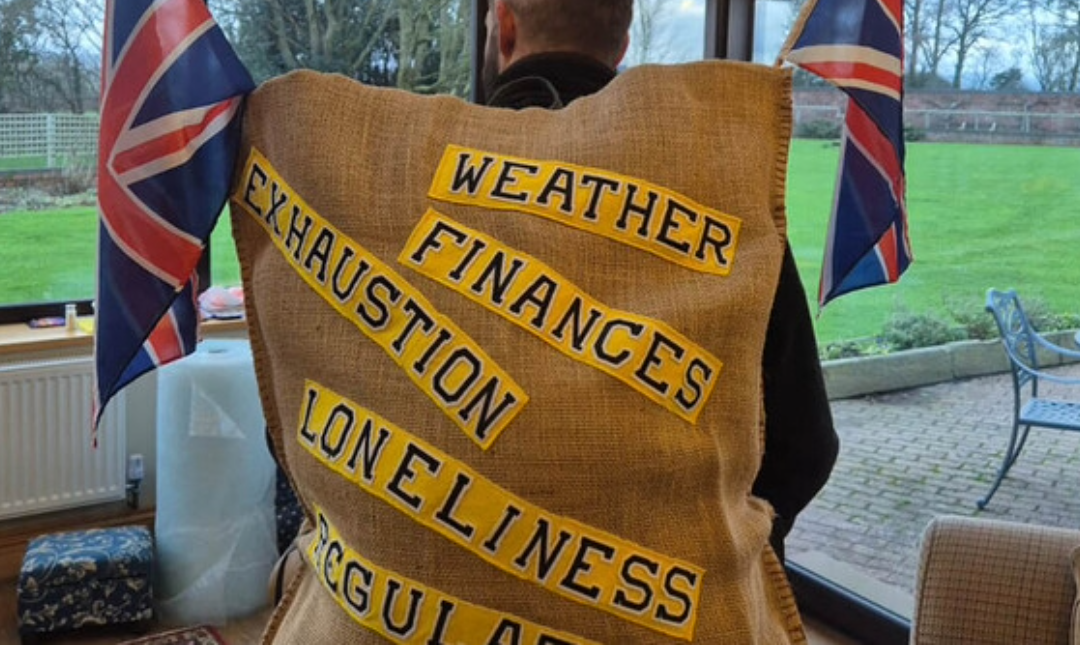
We know disease outbreaks can place additional pressure on farming businesses and families.
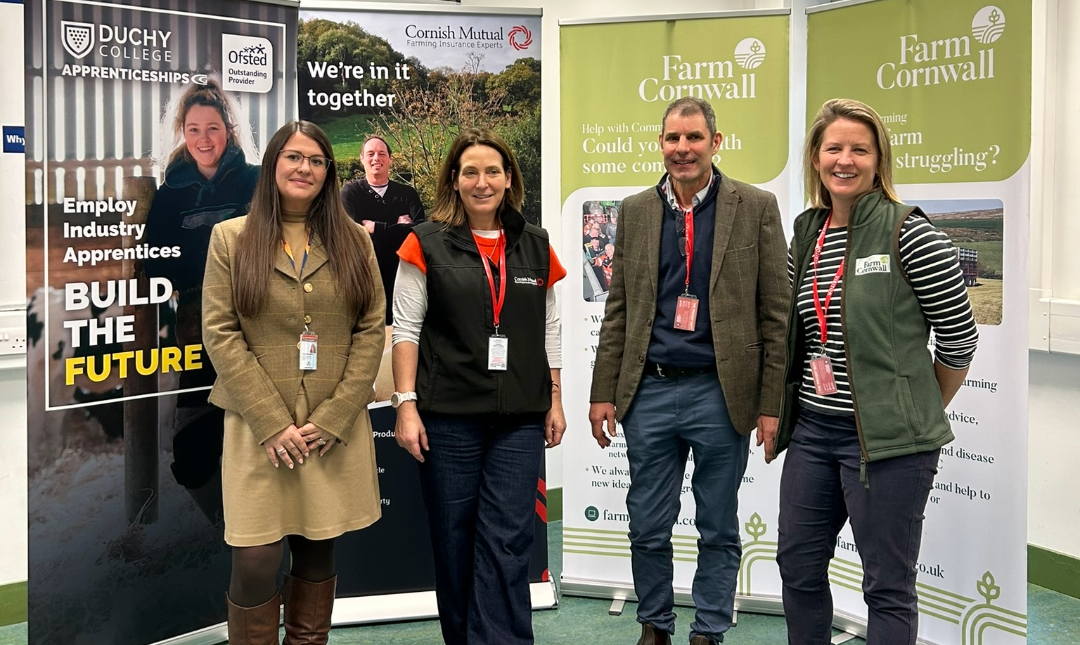
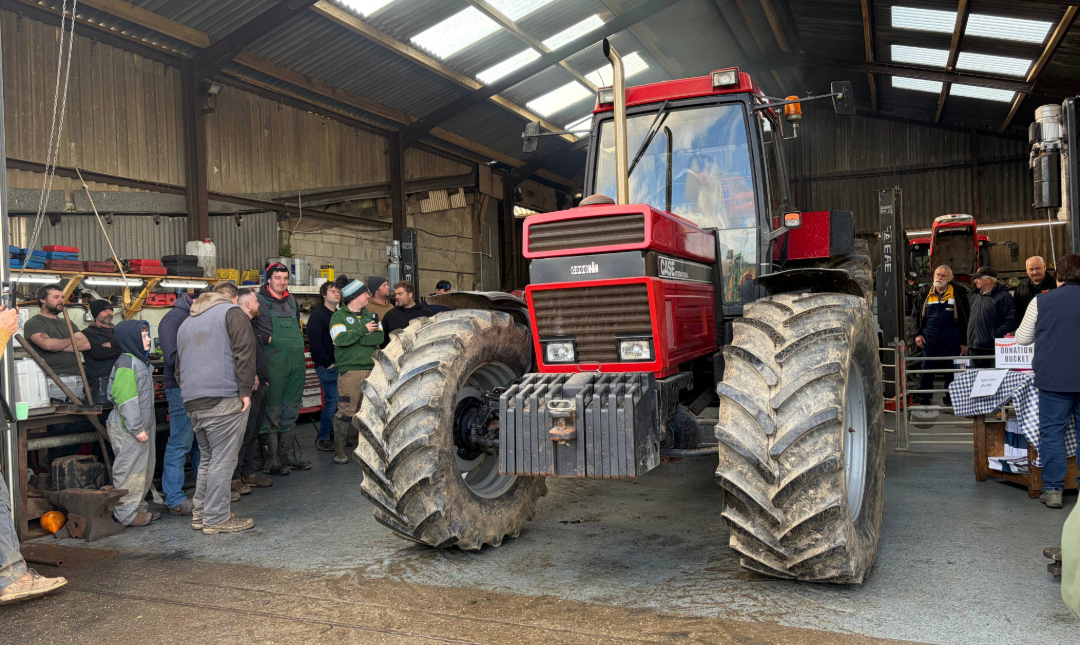
If you're concerned about the health of your livestock, contact your vet as soon as possible. If the wider impact of Bluetongue is affecting you, your family or your farming business, Farm Cornwall is here to provide sound, practical, realistic and confidential support.
.png)
How Farm Cornwall can help





Contact Farm Cornwall
Barn B, Hendra
Tremethick Cross
Penzance
TR20 8UD