News.
Bluetongue: the growing impact on farms in Cornwall
.png)
Following our bluetongue update earlier this week, the situation is continuing to develop quickly, with increasing numbers of confirmed cases and growing concern about the impact being seen on farms across Cornwall and the wider South West.
As of 13 August, there were 84 confirmed premises in Cornwall, 228 in Devon and 47 in Somerset. Across the country, there are also a significant number of suspected cases currently under investigation.
However, confirmed case numbers only tell part of the story. We are hearing increasing concern from farmers about the losses being experienced within individual flocks and the wider implications of the disease as we head towards the autumn breeding and livestock sales period.
Losses in sheep flocks
Reports from farms suggest that the impact of bluetongue can be significant, particularly within sheep flocks.
We are hearing reports of considerable losses on some farms, with older sheep appearing to be particularly affected. This is understandably raising difficult questions for farmers as they approach tupping, including decisions around older and cull ewes and how best to protect the remainder of their flock.
Farmers concerned about the health of their sheep or how bluetongue may affect their breeding plans should speak to their vet about the circumstances on their own farm.
Fertility and breeding
There is also increasing concern about the potential effect of bluetongue on fertility.
In pregnant animals, infection can result in pregnancy loss, abortion, stillbirth and abnormalities in calves and lambs.
Breeding males can also be affected, with bluetongue potentially causing temporary reductions in fertility. With the main tupping period approaching, this could have consequences for conception rates and subsequent lambing and calving dates.
Autumn livestock sales
The timing of the outbreak is also creating concern ahead of the main autumn sheep and suckler sales, when large numbers of breeding livestock will be moving between farms.
Farmers buying and selling livestock will need to remain particularly vigilant and consider the health and vaccination status of animals alongside the usual purchasing decisions.
Animals showing clinical signs of bluetongue must not be moved from a showground, and farmers should continue to check the latest movement requirements before moving livestock.
Vaccination and availability
Vaccination remains one of the most important tools available to farmers to reduce the impact of BTV-3.
We are hearing concerns locally about vaccine availability, with some farmers experiencing difficulty obtaining supplies through their vets.
Anyone considering vaccination should speak to their vet as early as possible about availability and the most appropriate vaccination plan for their animals.
A difficult combination of pressures
Bluetongue is also arriving at an already difficult time for many livestock farms.
The prolonged dry weather and lack of forage has meant some farmers are already feeding livestock much earlier than usual, putting additional pressure on winter feed supplies and increasing costs.
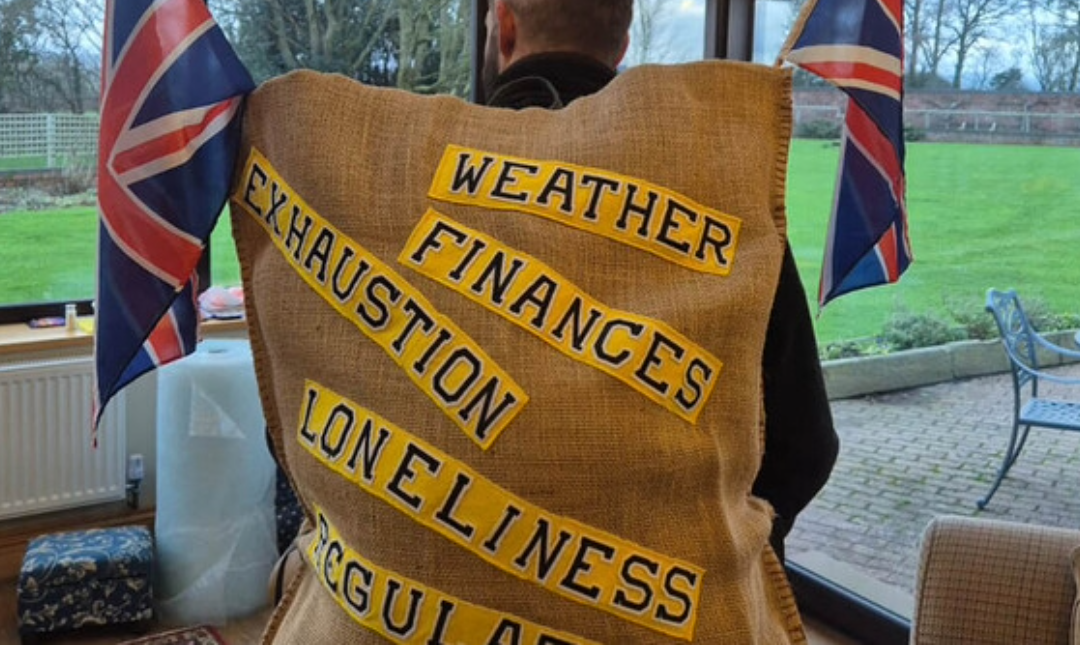
When this is combined with livestock losses, concerns around fertility and production, the cost and availability of vaccination and uncertainty around autumn sales, it is understandable that many farmers are feeling under considerable pressure.
Farm Cornwall is here to help
If bluetongue is affecting your farm, you don't have to deal with the wider pressures alone.
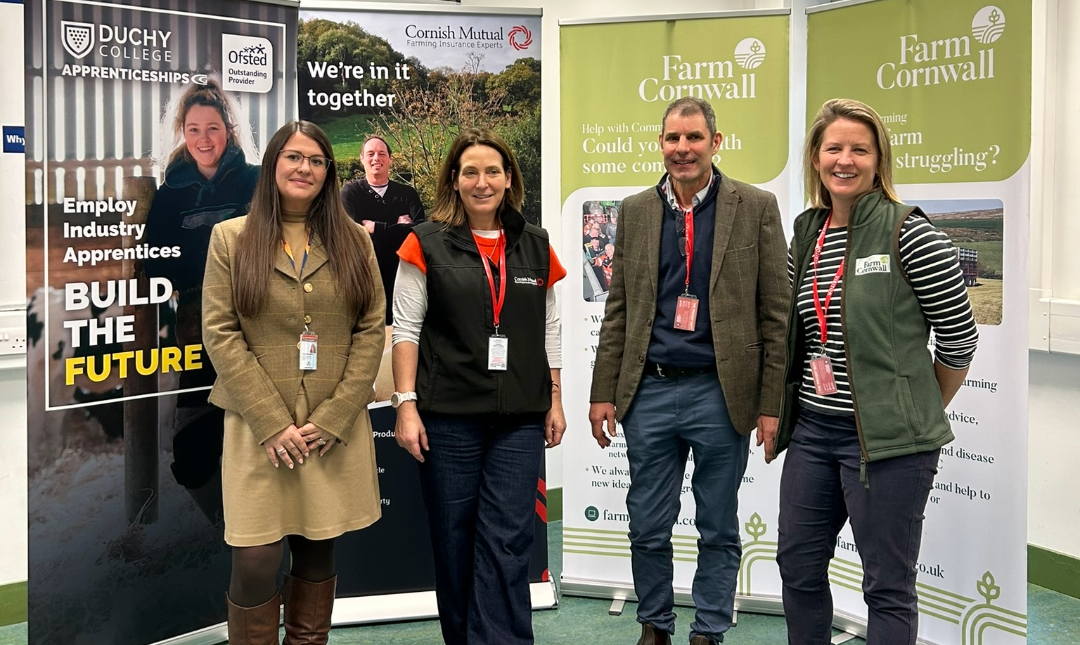
Farm Cornwall provides confidential, practical support to farmers and farming families across Cornwall. Whether you are dealing with financial pressures, difficult business decisions or simply need someone who understands farming to talk things through with, please get in touch.
For the latest information on confirmed cases, reporting, vaccination and movement requirements, please continue to refer to the official Government bluetongue guidance.
.png)
How Farm Cornwall can help





Contact Farm Cornwall
Barn B, Hendra
Tremethick Cross
Penzance
TR20 8UD